Building a Roadmap for Animals in Psychedelic Settings
Interspecies harm reduction in the emerging psychedelic landscape. Contribute your thoughts.


A Working Framework for Interspecies Harm Reduction
As psychedelic medicine continues to expand—from clinical therapy rooms to ceremonies, retreats, and research—animals are already part of these spaces. Some arrive intentionally: trained service animals, therapy partners, or emotional support animals.
Others arrive unintentionally: pets in shared homes, wildlife drawn into human activities, or animals without consenting voices in research. Yet the conversation about animal safety, welfare, and consent in psychedelic contexts remains largely unspoken.
In this week’s discussions, our community begins a collaborative effort to outline what a Roadmap for Animals in Psychedelic Settings could look like—built from existing knowledge and adapted for new current and future realities.
What can we build upon?
There are already strong foundations in animal-assisted therapy, service-animal standards, and veterinary welfare science.
Frameworks from IAHAIO, AVMA, Pet Partners, and APA give us evidence-based principles on training & qualifications, rest, stress management, and ethics.
Our task isn’t to start over—it’s to adapt.

Psychedelic settings introduce unique sensory and emotional conditions: altered human states, extended time of sessions (6-12+ hours), unpredictable energy, and sometimes direct exposure and abuse risks. We can evolve existing standards to address these new factors while keeping animal welfare and consent at the core.
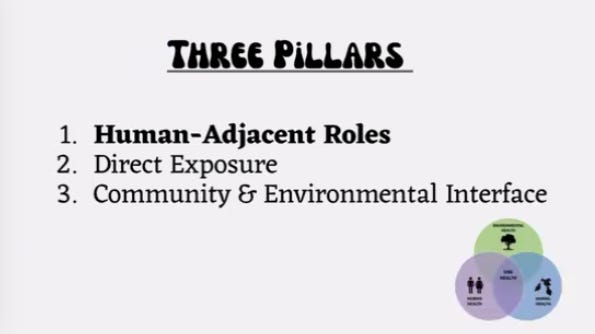
Key Areas for Roadmap Development
Human-Adjacent Roles: Service, therapy, and support animals in ceremonial or therapeutic environments.
Direct Exposure: Clinical and research contexts where animals may be directly or indirectly exposed to substances.
Community & Environmental Interface: Pets, wildlife, and ecosystems impacted by human psychedelic use and production.
Across all these settings, we face overlapping questions:
What does “consent” look like for animals in human-altered-state environments?
How do we recognize and mitigate stress and sensory overload for animals adjacent to human-use of psychedelics or in service roles?
How can facilitators, therapists, veterinarians, and animal care professionals collaborate on animal care safety and ethics?
What should be in a basic Standard Operating Procedure (SOP) for clinics, retreats, and animal guardians?
This Week’s Discussion
Our goal is to co-create a starting framework—not as a final answer, but as a shared roadmap.
Session Goals
Identify which existing animal welfare standards can guide psychedelic contexts.
Define what animal-focused consent and care needs are missing or where need for adaptation is obvious.
Draft one practical product (for example: a ceremony checklist, clinic SOP, or guardian handout).
If you work with animals, psychedelics, or community wellness, your perspective is welcome.
This conversation bridges clinical medicine, ethics, facilitation, and interspecies care work - we are eager for your thoughts and experience contributions.
Watch the recorded community discussion.
Bring your experience, questions, and one example—clinical, ceremonial, or personal— where animals and psychedelics have intersected.
Let’s begin to chart what responsible, compassionate practice could look like across species.
💬 Video Length: 47mins
🏷️ Cost: $35 USD
Further Resources:
Dig in! Check out our basic courses on Animal Safety and Consent and Psychedelic Substances in Veterinary Medicine.